How the 2026 Met Gala Theme Elevates Wedding Dress Design
3 MINUTES READ
Every year, the Met Gala (the Costume Institute’s annual fundraising gala) sets the fashion world abuzz by unveiling a theme that bridges high fashion and art. For 2026, that theme is "Fashion is Art," accompanying "Costume Art," a concept drawn from the Costume Institute’s spring exhibition at The Met Fifth Avenue Exhibition. This isn’t just another creative prompt for eveningwear, it’s a visionary exploration of how clothing and the human body have been inseparably intertwined throughout art history. Curated by Andrew Bolton, the exhibition juxtaposes garments from the Costume Institute’s collection with artworks spanning millennia, exposing the ways that dress shapes and is shaped by the body itself, anchoring the dialogue between fashion and visual culture.
But what does this artistic lens mean for bridal fashion? And how can designers and brides alike translate Costume Art’s ethos into wedding gowns that feel both visionary and meaningful? By going with the dress code: Fashion Art.
The Body as Canvas: Embracing Form and Function
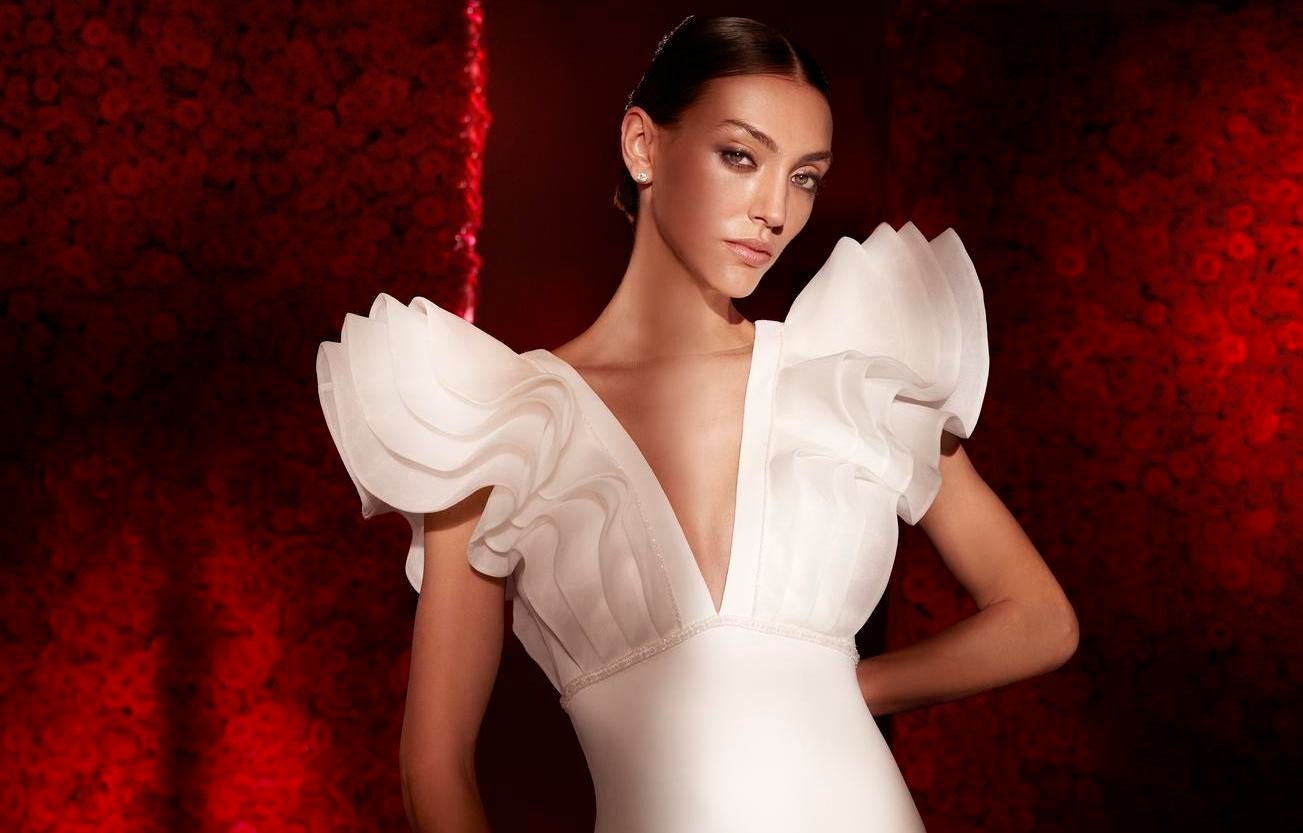
At its core, Costume Art reminds us that garments are not merely surface decoration, they interact with the body’s curves, angles, and movement in profound ways. For bridal couture, this invites an intentional focus on how fabrics and silhouettes honor the bride’s form. Think corsetry that sculpts yet comforts, or draping that echoes the fluidity of bodies in classical sculpture elevated finishes that feel timeless yet modern.
For Pronovias, this can translate into:
Bodices with sculptural boning that echo classical silhouettes.
Gowns that celebrate natural curves with architectural pleats or subtly contoured seams.
Fabrics chosen as much for how they move as how they shine.
Historical Dialogue: Modernizing Tradition
The Costume Art exhibition spans Western dress across centuries, pairing garments with ancient art and highlighting the continuity of certain forms. In bridal design, this opens the door to reinterpretations of historical motifs:
Fortuny’s Delphos Dress: a 1920s pleated marvel can inspire ultra-fine pleating and movement in modern silk wedding dresses.
Silhouettes drawn from classical antiquity: (toga-inspired draping, bateau necklines) can be updated with contemporary materials or minimalist lines.
These references allow brides to wear something that feels rooted in art history while remaining utterly current a subtle statement that says tradition and innovation can co-exist.
Narrative Through Embellishment
Art isn’t just visual, it’s narrative. In the exhibition, each pairing of garment with artwork tells a story about identity, society, or cultural values. Bridal fashion is already rich in symbolism: purity, transformation, union but Costume Art encourages a deeper storytelling through design elements:
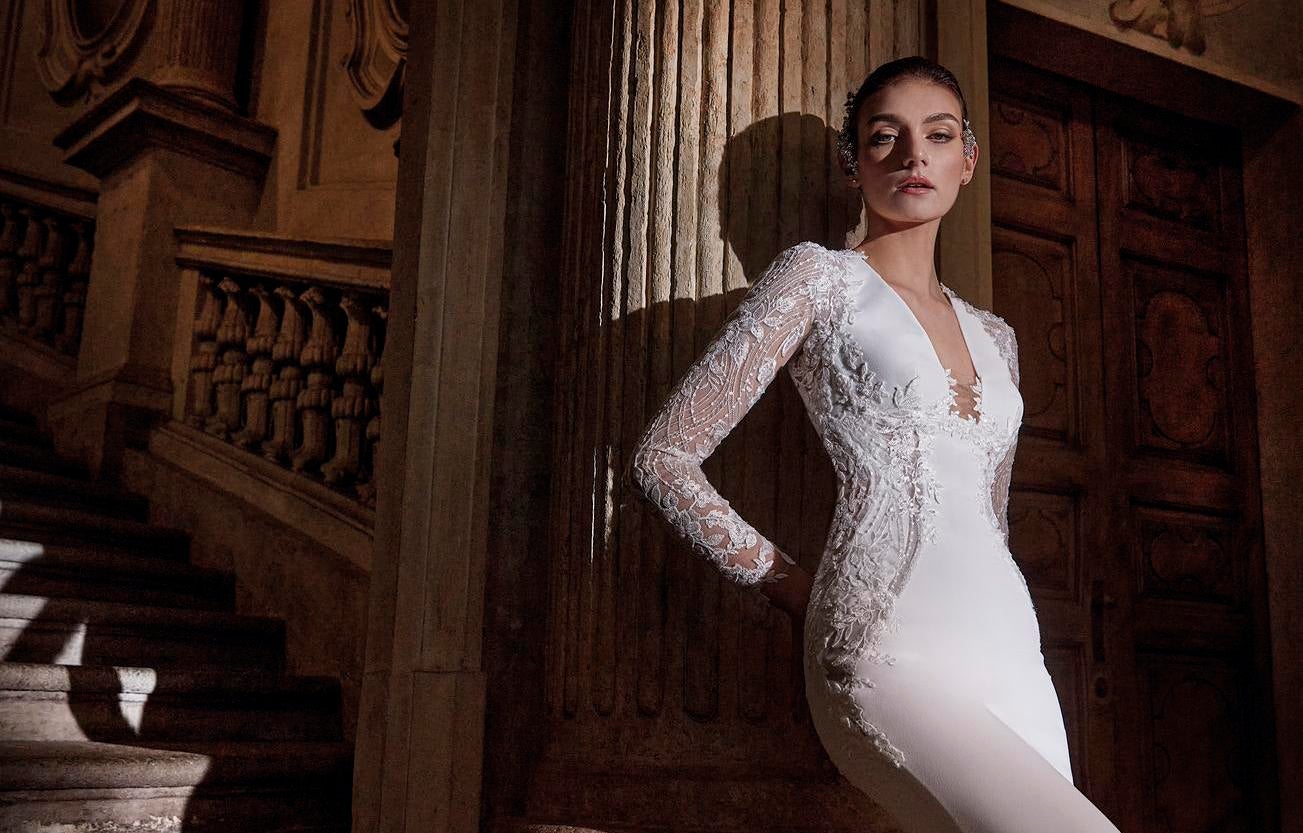
Embroidery inspired by figurative art (floral motifs that reference body forms).
Subtle references to anatomy or natural forms, think petal-like appliqués, textured bodices that suggest skin or muscle in an abstract way.
Use of negative space and structure to emphasize presence and absence.
Beyond the Gown: Accessorizing With Intent
The exhibit’s focus on the dressed body encourages a holistic view: accessories aren’t afterthoughts but integral parts of how we present ourselves. For wedding styling, this might mean:
Veils that echo the lines of classical sculptures, framing the face and shoulders like an art piece.
Belts, gloves, or capes that transform the silhouette without overpowering it.
Jewels with sculptural qualities, pieces that feel like wearable art.
Celebrating Diversity in Form
A key idea behind Costume Art is the representation of many body types including those historically overlooked. This resonates powerfully with contemporary bridal design because weddings are celebrations of individuality. The bridal world increasingly recognizes that every bride’s body deserves thoughtful craftsmanship and beauty without compromise.
From Museum Walls to the Aisle
Whether through reinterpretations of historical silhouettes or through sculptural details that acknowledge the body as art, the Costume Art theme offers a rich well of inspiration for bridal fashion. For designers at Pronovias and for brides seeking something extraordinary, this theme is more than a trend, it’s a call to consider the wedding gown as a wearable testament to personal artistry and timeless beauty. Every gown can be a work of art in its own right, a reflection of the body it adorns and the story it tells on one of life’s most memorable days.